
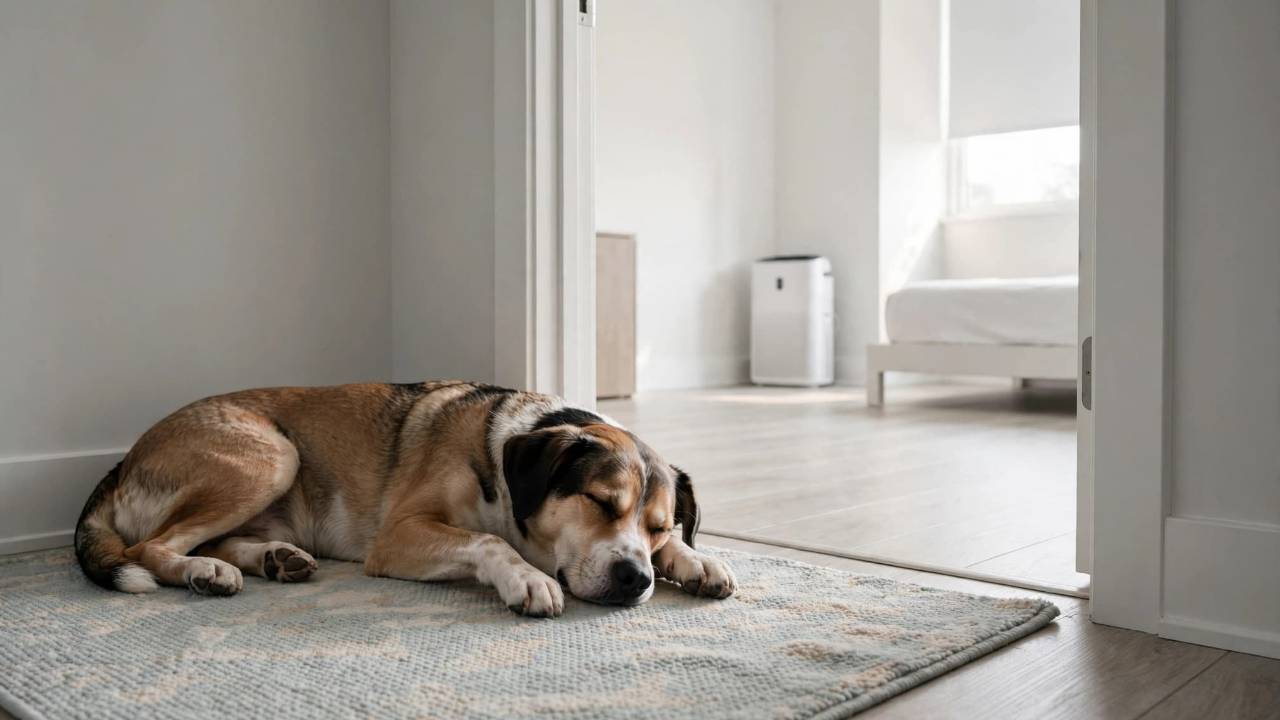
A dog allergy does not automatically mean you must rehome your pet. Some people can manage symptoms with exposure reduction and treatment. Others, particularly those with uncontrolled asthma, may need to avoid the animal. The decision should reflect your symptoms, risks, and response to care.
Most symptoms come from tiny flakes of skin, saliva, and urine, not just fur. A good plan can help you breathe easier and feel better each day. It also helps you make choices with your doctor instead of in a rush.
Start With an Individual Risk Assessment
An allergist can assess whether dog exposure is contributing to your symptoms and help you compare options. AAAAI's pet allergy guidance explains that keeping a pet is sometimes possible, but avoiding the relevant allergen is the most effective way to reduce exposure. No plan guarantees symptom control while the dog stays in the home.
Do not postpone a discussion about avoidance or rehoming when asthma is severe or poorly controlled. Home changes and medicines may help, but health risks should guide the decision. Rehoming is a medical and personal choice, not a failure by the family.
What Actually Causes a Dog Allergy
Dog allergens are proteins found in dander, saliva, and urine; fur can carry these proteins as well as pollen and other allergens. No dog breed is reliably hypoallergenic. Hair length or low shedding does not establish that a dog will be safe for someone with dog allergy.
These bits settle into dust, beds, carpets, couches, and clothes. So symptoms can continue even when the dog is in another room. Cleaning helps. But it works best when you also set a few simple rules about where your dog can go.
Signs Your Dog May Be Part of the Problem
Common symptoms include sneezing, itchy or watery eyes, a runny or blocked nose, cough, wheezing (a whistling sound when you breathe), hives, or itchy skin. Some people also need to clear their throat a lot, or feel mucus drip down the back of the throat after time indoors.
Don't assume your dog is the only cause. Look for patterns instead. Pay attention if symptoms get worse after you touch your dog, when you're at home, or near couches and carpets. Dust mites, mold, pollen, smoke, and scented products can cause the same symptoms. That's why it helps to notice when your symptoms flare up.
A positive skin prick or specific IgE blood test shows sensitization. It does not, by itself, prove that your dog is causing your symptoms or predict their severity. The history and exposure pattern matter.
Reduce Exposure While Monitoring Symptoms
A combination of measures can lower exposure, but it cannot make a home with a dog allergen-free. Track whether symptoms actually improve. Seek medical advice promptly for wheezing or worsening asthma rather than relying on cleaning alone.
Create a Lower-Allergen Bedroom
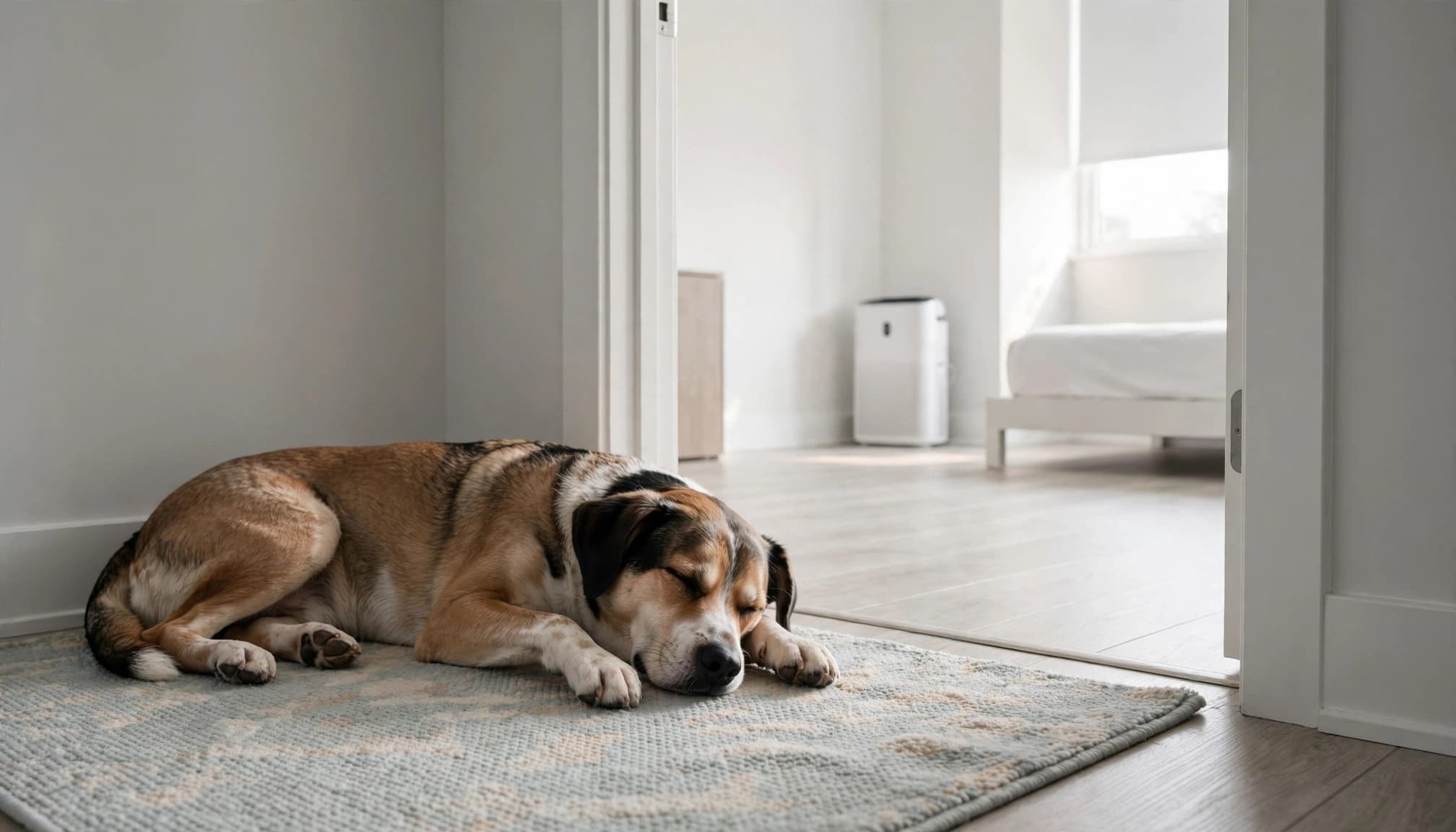
Keep your dog out of the bedroom and off the bed. You spend many hours sleeping there, so this one rule can cut down on allergens all night long.
Wash bedding regularly according to fabric-care instructions, and reduce fabrics that collect dander when practical. Mattress and pillow encasements are most clearly useful for dust mite allergy; they are not a proven stand-alone solution for dog allergy. Keep the dog off upholstered furniture and wash your hands after contact.
Clean Fabrics, Floors, and Air More Effectively
Vacuum once or twice a week with a HEPA-filter vacuum if you can. HEPA filters trap very tiny particles. Dust hard surfaces with a damp cloth, not a dry one. Dry cloths and feather dusters can push allergens back into the air. Mop hard floors and wash the dog's bedding often.
A correctly sized HEPA air purifier may reduce airborne particles but cannot remove allergens already on surfaces or guarantee symptom relief. Avoid ozone-generating air cleaners. ACAAI's pet allergy recommendations emphasize combining exposure reduction with an individualized medical plan.
Control Humidity and Improve Airflow
Keeping indoor humidity around 30% to 50% can help limit dust mites and mold. It does not remove dog allergens. Use a humidity meter if dampness is a concern and address leaks promptly.
Use bathroom exhaust fans, repair moisture problems, and maintain heating and cooling filters according to the manufacturer's instructions. Choose a filter your system can accommodate. These measures support indoor air quality but do not substitute for reducing dog exposure.
Match Allergy Treatment to Your Symptoms and Risk
Home changes cut down on allergens. Medicine can calm the symptoms that still get through. Check the active ingredients before you use more than one product. Be extra careful if you are pregnant, treating a child, or have high blood pressure, glaucoma, heart disease, or other health problems.
Common Options for Nose, Eye, and Breathing Symptoms
Less-sedating antihistamines may help sneezing, itching, and a runny nose, although some still cause drowsiness. Avoid driving if affected. Mayo Clinic's pet allergy treatment information describes medication options; an antihistamine does not treat an asthma attack.
Intranasal corticosteroid sprays are often helpful for persistent nasal symptoms when used consistently and correctly. Direct the spray away from the nasal septum to reduce irritation. Saline rinses may help, but use only distilled, sterile, or previously boiled and cooled water and clean the device as directed. Allergy eye drops can ease itchy eyes.
Oral decongestants can raise blood pressure, cause palpitations, or disturb sleep. Ask a clinician or pharmacist whether they are appropriate. Many nasal decongestant sprays should not be used for more than three days because of rebound congestion; follow the product label.
When Allergy Testing or Immunotherapy May Help
Seek evaluation if symptoms disturb sleep, persist despite treatment, or include coughing or wheezing. An allergist may select skin prick or specific IgE blood tests based on your exposure history. Breathing symptoms may also require examination and lung function testing.
Test results don't tell the whole story. A positive test alone does not prove your dog causes every flare-up. To learn about the questions, tests, and follow-up visits, read what to expect from a telehealth allergist visit.
For selected patients with confirmed, clinically relevant dog allergy, an allergist may discuss allergy shots. Benefit varies, and evidence for dog immunotherapy is less robust than for some other allergens. Shots require in-person administration and monitoring because serious reactions can occur. They are not a guarantee that keeping a dog will be safe; uncontrolled asthma must be addressed first.
When Rehoming Becomes a Medical Discussion
Discuss stronger exposure avoidance or rehoming early if dog exposure worsens severe or uncontrolled asthma, or if symptoms remain unacceptable despite a reasonable treatment plan. Agree with your clinician on what improvement to expect and when to reassess. You do not have to exhaust every cleaning measure before prioritizing safety.
Dog allergens can remain in dust and furnishings for months after the animal leaves, so improvement may take time. Cleaning and ongoing treatment may still be needed. Also assess other contributors such as dust mites, mold, pollen, sinus disease, and asthma.
Know When to Get Help for Breathing Problems
Wheezing, a tight chest, short breath, or coughing at night may be signs of asthma or another breathing problem, not just nose allergies. Allergy medicine may help with sneezing and itching. But if your lungs are affected, you still need an asthma check and an inhaler plan from your doctor.
Contact your clinician promptly for nighttime cough, increasing reliever use, or activity-limiting breathing symptoms. Follow your prescribed asthma action plan. Call 911 for severe breathlessness, inability to speak in full sentences, blue or gray lips, fainting, or worsening symptoms despite prescribed rescue treatment.
A clinician can assess inhaler technique, triggers, and the need for lung function testing. Learn about the allergy, asthma, and immune conditions treated through TLC Medical. Dr. Deepa Grandon provides allergy care for adults and children aged five and older. Telehealth can support follow-up but does not replace urgent care or in-person testing.
A Simple Dog Allergy Plan to Start This Week
Keep the dog out of the bedroom and off upholstered furniture. Wash bedding, clean hard surfaces with a damp cloth, and use a HEPA-filter vacuum when practical. If cleaning stirs up symptoms, ask someone without the allergy to do it and stay away during cleaning.
Record symptoms, exposures, medicines, nighttime waking, and any wheezing. Review the pattern with your clinician. Do not wait two or three weeks to seek help for worsening breathing or poorly controlled asthma.

Choose manageable changes and reassess whether they help. There is no established amount of daily cleaning that ensures symptom control. If symptoms persist, review the treatment and exposure plan with your clinician.
Key Takeaways
-
Dog allergies are usually caused by proteins in dander, saliva, and urine, not just fur.
-
Exposure reduction and treatment may make keeping a dog possible, but avoiding the animal may be necessary when symptoms or asthma remain poorly controlled.
-
Seek medical assessment for persistent symptoms and prompt help for breathing problems. Rehoming decisions should reflect health risk and the response to care.
For help with your own allergy or asthma symptoms or those of a child aged five or older, request an appointment with TLC Medical. Before booking, confirm that telehealth care is available in the state where you or your child will be during the visit. For children under five, your pediatrician can recommend the next steps, including an allergy referral if needed. This article is educational and does not replace an individual treatment or emergency action plan.
Stay connected with news and updates!
Join our mailing list to receive the latest news and updates from our team.
Don't worry, your information will not be shared.
We hate SPAM. We will never sell your information, for any reason.