
Hives can flare, fade, and show up again somewhere else in a matter of hours. When hives keep coming back, they may be chronic hives. Chronic hives are usually not caused by a food allergy or another outside trigger.
That pattern can feel unsettling, especially when you can't tell what's causing it. The good news is that recurrent hives are common, they aren't always due to a true allergy, and there are clear next steps that can help you get control.
What Repeated Hives Usually Mean
A one-time hive outbreak often happens after a short-lived trigger, such as a virus, medication, or food reaction. Repeated hives are different. If they keep coming back for six weeks or longer, doctors usually call that chronic hives or chronic urticaria.
In some people, the rash appears daily. In others, it comes and goes with no clear rhythm. Either way, the skin reaction is real, frustrating, and worth paying attention to.
How Hives Look And Feel
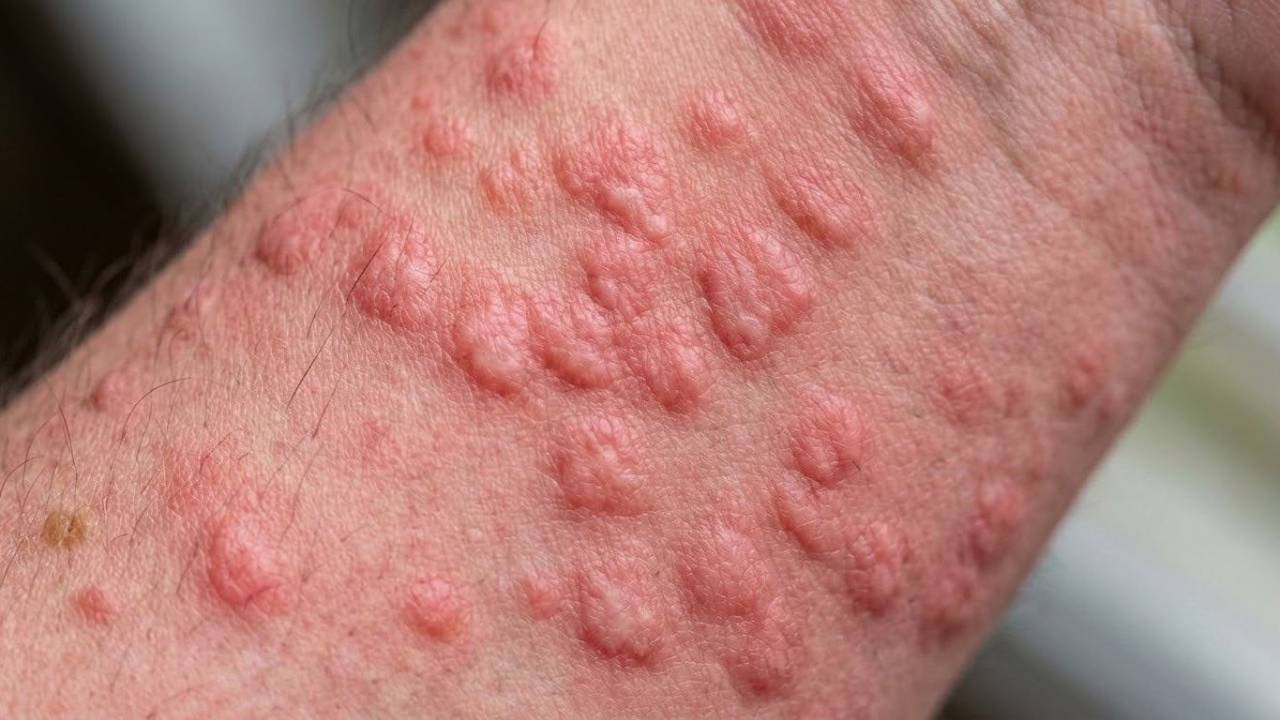
Most hives are itchy, raised welts that can vary in size. One spot may look small and round, while another becomes a larger patch. A welt may fade within hours, then a new one appears somewhere else.
The rash doesn't always look the same from person to person. Some people notice pink or red bumps. Others see pale, swollen patches with a darker border. Besides itching, hives may sting or burn. A single hive usually fades within 24 hours without leaving a bruise or mark. New hives may appear somewhere else. This is clinically important because hives that remain in the same location longer, hurt, or leave bruising may need a different evaluation.
Some people also get deeper swelling, called angioedema. This often affects the lips, eyelids, hands, or feet. When swelling happens with hives, the condition can feel more alarming, even when it isn't dangerous.
Why Hives Keep Returning
Repeated hives can happen for several reasons. Sometimes you're getting exposed to the same trigger again and again. In other cases, the immune system becomes overactive and releases chemicals in the skin without a clear outside cause.
Stress, infections, heat, pressure on the skin, and some medicines can also bring on flares. Still, many people with chronic hives don't get a simple answer right away. That's common, and it doesn't mean the problem isn't treatable.
Common Triggers And Health Problems To Look For
When hives keep returning, it helps to look for patterns instead of hunting for one dramatic cause. A flare can be linked to something ordinary, and the same trigger may not cause hives every single time.
Everyday Triggers That Can Set Off Flares
Some things can make hives worse without being the cause. These may include heat, pressure on the skin, exercise, alcohol, stress, infections, and certain medicines. Food allergy can cause hives, but it is rarely the reason hives keep coming back for weeks or months.
Because triggers are not always consistent, keeping a structured symptom log is one of the most useful tools you have. Write down when the hives started, what you ate, new illnesses, stressful events, exercise, and anything that touched your skin. Photos are helpful too, because the rash may look different by the time you see a doctor.
Medicines And Supplements That Can Be Part Of The Problem
Some medications can trigger hives or make them worse. Common examples include NSAIDs such as ibuprofen, some antibiotics, and certain prescription drugs. Over-the-counter products and supplements matter, too, especially if you've added something new.
Don't stop a prescription medicine on your own unless you've been told to do so. Instead, make a full list of pills, vitamins, powders, teas, and topical products. Small details can make a big difference.
When An Underlying Condition May Be Involved
Chronic hives can sometimes occur along with autoimmune conditions, including thyroid disease. Most people do not need a large number of tests. Your doctor will decide whether testing is needed based on your symptoms and health history.
How Doctors Evaluate Hives That Won't Go Away
A good medical workup usually starts with the story, not a giant list of tests. The timing, appearance, and pattern of the rash often tell more than a lab panel ordered too early.
Questions That Help Find Patterns
Bring these notes to help you answer any questions about your condition:
- When the hives first started, and how often they happen
- How long each spot lasts before it fades
- What the rash looks like, and whether you have photos
- Which medicines, supplements, or skin products you use
- What seems to make symptoms better or worse
Those questions may sound basic, but they often uncover the best clues. For example, hives that show up after pressure, exercise, or cold exposure point the workup in a different direction than hives that appear every morning for no clear reason.
Tests That May Be Ordered
Testing is usually targeted. Depending on your history, a doctor may order basic blood work, thyroid testing, or labs that look for inflammation or infection. Allergy testing can help in selected cases, especially if the timing strongly suggests a specific trigger.
Many people do not need an endless search right away. In chronic hives, the history and exam often matter more than broad testing. Routine food allergy testing is usually not helpful for chronic hives. Allergy testing makes more sense when the history points to a specific food, medicine, or other trigger.
Warning Signs That Need Faster Care
Some symptoms need urgent attention. Trouble breathing, throat tightness, fainting, a swollen tongue, or hives with a severe illness should never wait.
It is important to get urgent medical care if hives come with breathing trouble, tongue swelling, or feeling faint.
Treatment Options That Can Help Calm Recurrent Hives
The main goal is symptom control. Even when the exact cause isn't clear, treatment can reduce itching, cut down flares, and help you sleep and function again.
First Line Treatments Most People Start With
For most people, treatment starts with a non-sedating antihistamine. These medicines help block the chemical signals that cause itching and swelling. If symptoms continue, a doctor may adjust the dose based on how often you flare and how severe the hives are.
At the same time, avoid clear triggers when you can. A simple record of foods, medications, stress, heat, exercise, and infections can make follow-up visits much more useful.

What Happens If Hives Stay Uncontrolled
When hives keep breaking through, the next step may include prescription add-on treatment or referral to a specialist. For stubborn chronic hives, allergists and immunologists may use targeted options such as biologic therapy. If antihistamines are not enough, an allergist may recommend other treatments, including injectable medicines called biologics.
Steroid pills may calm a short flare in select cases, but they aren't a good long-term plan. If you're using rescue treatment over and over, it usually means the overall plan needs to change.
Simple Self-Care That Can Lower Irritation
Comfort measures won't fix the underlying cause, but they can make bad days easier. Cool compresses, loose clothing, gentle cleansers, fragrance-free moisturizers, and cooler showers often reduce irritation.
Hot water, tight waistbands, rough fabrics, and heavy sweating can make itching worse. When skin already feels inflamed, even small friction keeps the cycle going.

When To Move Beyond Self-Treatment
At some point, guesswork stops being useful. If hives keep returning, a real evaluation can save time, money, and a lot of frustration.
Signs It Is Time To Make An Appointment
Make an appointment if hives last more than six weeks, keep flaring several times a week, or don't improve with over-the-counter antihistamines. You should also get checked if swelling comes with the rash, if itching keeps you up at night, or if the problem is interfering with work and daily life.
Repeated hives deserve more attention when the pattern changes. New symptoms, longer-lasting swelling, bruising, pain, or a rash that doesn't fade as expected should be reviewed.
The Value Of Allergy And Immunology Care
An allergy and immunology specialist can sort out possible triggers, rule out look-alike conditions, and build a treatment plan that fits your pattern. That matters because chronic hives can look simple on the surface while having several possible causes underneath.
If you're dealing with ongoing flares, start by speaking with your current physician. If you need added support, remote allergy and immunology consultations may offer a practical next step.
Key Takeaways
- Hives that return for 6 weeks or longer have a name. Chronic urticaria is common, and it is treatable even when the exact cause isn't immediately clear.
- Triggers are often ordinary. Food, heat, stress, pressure, exercise, medications, and infections can all play a role—sometimes inconsistently.
- A symptom log is your most useful tool. Tracking when hives appear, what preceded them, and how long they last gives a doctor far more to work with than memory alone.
- Treatment can start before every answer is in place. Antihistamines and trigger avoidance often reduce flares significantly while a fuller picture is being built.
- Some symptoms need same-day care. Throat tightness, tongue swelling, trouble breathing, or fainting alongside hives is an emergency—do not wait.
What's Next For You
Chronic hives can last for months or even years, but they often improve over time. The right treatment can help control symptoms while you wait for the condition to settle down. A structured evaluation—one that looks at your triggers, your health history, and your pattern—is usually what turns the corner.
Ready to create your treatment plan for hives?
Request an Appointment with Dr. Deepa at TLC Medical →
If you are currently experiencing symptoms, we encourage you to speak with your primary care physician. You are also welcome to join our waitlist now for a future consultation with Dr. Grandon.
Stay connected with news and updates!
Join our mailing list to receive the latest news and updates from our team.
Don't worry, your information will not be shared.
We hate SPAM. We will never sell your information, for any reason.