
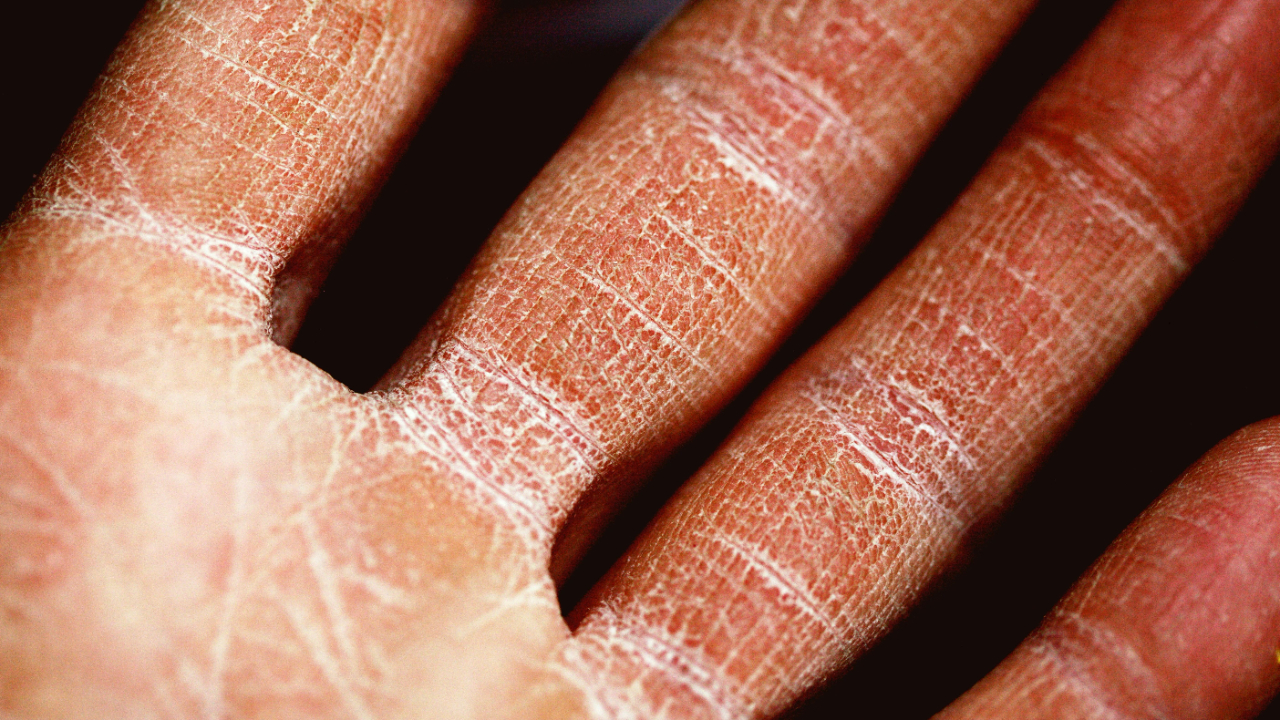
Eczema can feel random. One week, your skin is calm, then your hands, face, or elbows light up for no clear reason.
A flare is a stretch of worse itching, redness, dryness, or rash. The good news is that flares usually follow patterns, even when the pattern is hard to see at first. Understanding your personal triggers and building consistent habits can lower the frequency of flares over time.
What an Eczema Flare Really Is
The outer layer of your skin, called the skin barrier, cannot hold water as well as it should and lets things in which can irritate your skin.
That is why eczema often feels dry, rough, itchy, and sore at the same time. Some areas look red or darker than usual. Others may sting, crack, or feel hot. Most flares come from a mix of factors, not one single cause.
Why Eczema Gets Worse Fast
When the skin barrier is weak, water escapes faster. Then soap, sweat, dust, pollen, and weather changes bother the skin more than they should.
Small things that healthy skin would brush off can trigger a strong reaction. That is why eczema may worsen after a hot shower, a new detergent, or a cold, windy day.
How the Itch-Scratch Cycle Keeps Flares Going
Scratching may bring a few seconds of relief, but it also damages the skin surface. Then inflammation rises, the rash gets angrier, and the urge to scratch comes right back.
Nighttime often makes this worse because people scratch in their sleep. Breaking that cycle is one of the most important steps toward long-term relief.
The Most Common Triggers That Start Flares
Common triggers fall into a few broad groups, but they do not affect everyone the same way. The goal is to notice patterns rather than guess. Think about weather, things that touch your skin, and things happening inside your body.
Dry Air, Heat, Sweat, and Weather Swings
Dry winter air pulls moisture out of eczema-prone skin. On the other hand, heat and heavy sweat can sting and itch, especially in skin folds.
Sudden shifts can also spark problems. For example, going from icy air into a heated room, sleeping in a hot bedroom, or finishing a sweaty workout may set off a flare.
Soaps, Fragrances, Fabrics, and Household Irritants
Scented body wash, bubble bath, harsh cleansers, and strong laundry products are common troublemakers. So are rough fabrics, wool, scratchy seams, and tight clothes that trap sweat.
Even frequent handwashing can dry out the hands if the soap is strong and a moisturizer never follows. In many homes, the trigger is not dramatic. It is the product you use every day.
Foods, Allergies, Stress, and Illness
Food can matter for some people, especially when there is a clear pattern after eating. However, food triggers are more common in some children with specific food allergies, but food is not the cause of eczema for most people.
Stress, poor sleep, colds, and other illnesses can also be triggers. If your symptoms are frequent or hard to control, telehealth medical consultations can help you sort out whether allergies or other issues are making the flares worse.
How to Spot Your Personal Triggers Before They Turn Into Flares
Personal triggers usually reveal themselves through timing. You do not need a perfect system. You need a few notes you can trust.
Use a Simple Flare Diary
Keep a basic flare diary for two or three weeks. Write down where the rash showed up, what products you used, the weather, sweat, stress, sleep, and any unusual foods around that time.
A phone note works fine. The point is not to track every detail forever. It is to catch repeats. Short notes often show patterns that memory misses.
Look for Patterns in the Same Places
Location gives clues. Hands often react to soap, sanitizer, cleaning products, or job-related exposure.
The face and neck may point to skin-care products, shampoo, fragrance, or sweat. Flares behind the knees and inside the elbows often worsen with heat, dry air, and friction from clothing.
What Helps Long-Term, Not Just for One Good Day
Long-term control comes from doing small things often. The most effective long-term strategies are usually simple, and consistency is what makes them work.
Build a Gentle Skin-Care Routine
Keep showers short and lukewarm. Use a gentle fragrance-free cleanser only where you need it. Then moisturize every day, especially within a few minutes after bathing, because damp skin holds on to that moisture better.
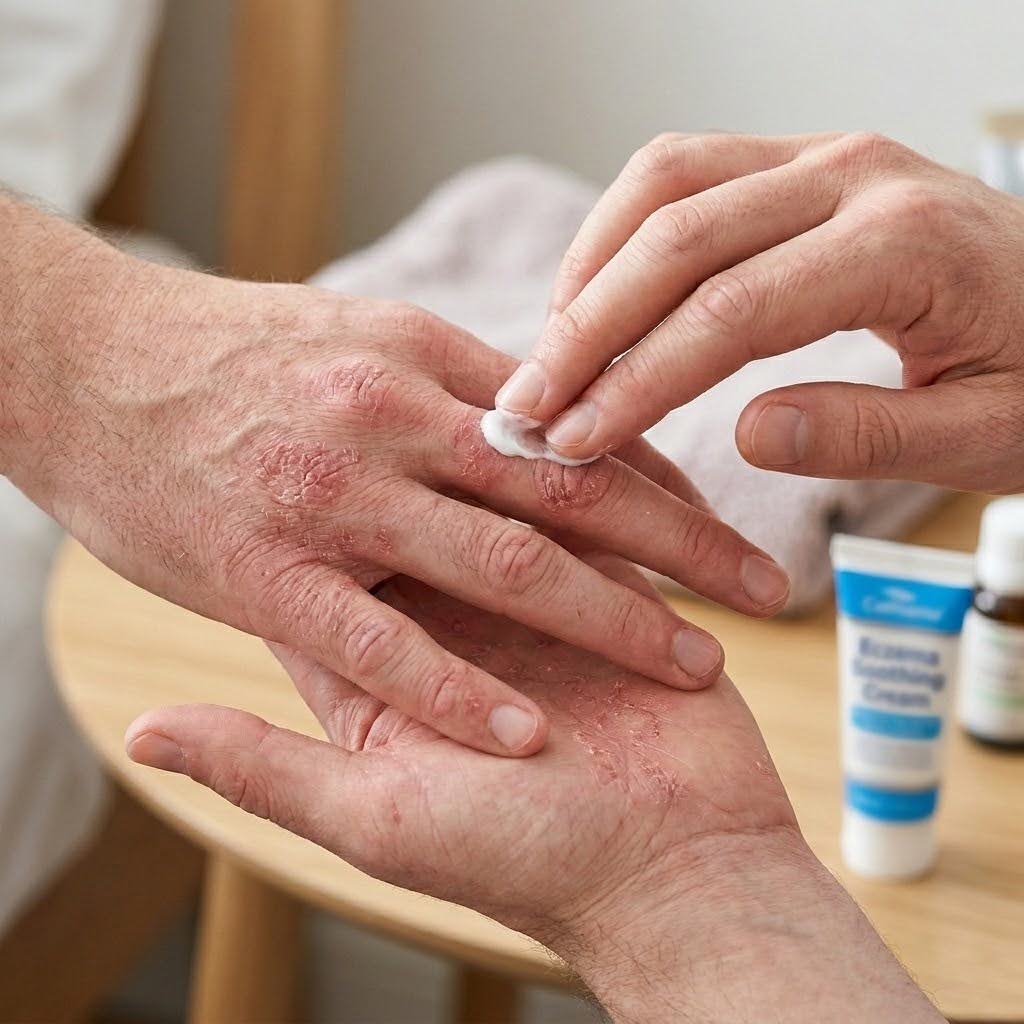
Choose thick creams or ointments if your skin is very dry. A complicated routine usually loses to a simple one done every day.
Use Treatment Early and as Directed
When a flare starts, early treatment often works better than waiting. Use prescribed creams or other medicines the way your clinician told you.
Many people underuse treatment, stop too soon, or save it for severe days only. That often gives inflammation time to build.
Support Skin Health With Sleep, Stress Care, and Lifestyle Habits
Sleep matters because tired skin gets itchier, and tired people scratch more. Stress care helps too, since stress can stir up both itching and inflammation.
Aim for habits you can keep, such as cooler rooms at night, soft clothing, regular moisturizer, staying well hydrated, and short stress breaks. A whole-person health review can also connect skin symptoms with sleep, stress, nutrition, and overall health.
When Eczema Needs Medical Help
Sometimes home care is not enough. See a clinician if flares are frequent, itching ruins sleep, skin cracks often, or the rash is not improving.
Warning Signs of Infection or Severe Inflammation
Get prompt care if the skin starts oozing, yellow crusting, swelling, or becoming more painful. Fever, fast-spreading redness, or a rash that changes quickly can signal infection or severe inflammation.
Cracked skin can let germs in, so do not wait if things are getting worse.
Questions to Ask at Your Visit
Ask what type of eczema you may have and whether testing makes sense. It also helps to ask which moisturizer fits your skin, when to start treatment, how long to use it, and whether allergies, skin infections, or other conditions may be adding to the flares.
Key Takeaways
- A weak skin barrier starts most flares. The itch-scratch cycle keeps them going longer than they need to.
- Triggers fall into three groups. weather, things that touch your skin, and things happening inside your body (stress, poor sleep, and sometimes food).
- Simple habits done consistently are what work. Short lukewarm showers, daily moisturizing, and treating flares early make the biggest difference.
- A flare diary helps you find your personal triggers. Write down where the rash appears and what happened before it—patterns show up faster than you'd expect.
- See a doctor if flares are frequent or if sleep is suffering. Oozing, swelling, or fever means getting checked right away.
Stay connected with news and updates!
Join our mailing list to receive the latest news and updates from our team.
Don't worry, your information will not be shared.
We hate SPAM. We will never sell your information, for any reason.