
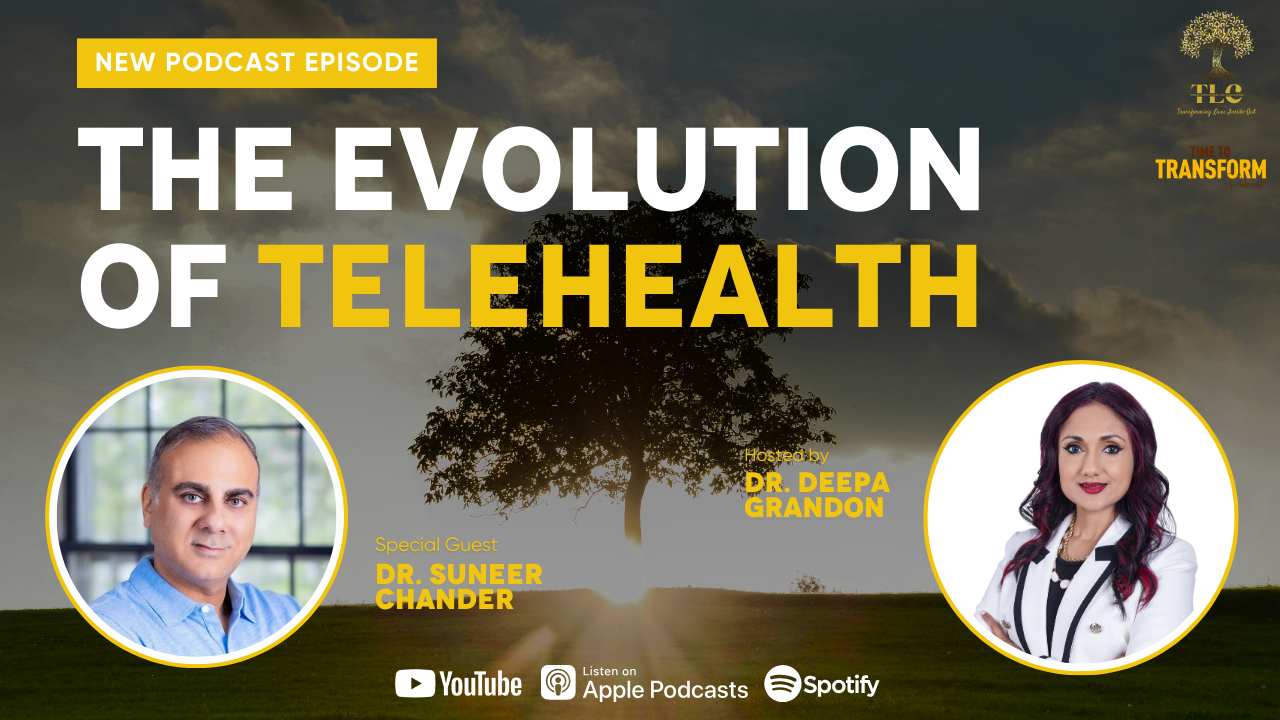
The Evolution of Telehealth: From Backup Option to Foundational Care Model w/ Dr. Suneer Chander
May 14, 2026For years, telehealth was seen as a backup option when seeing a doctor in person wasn’t possible. Today, it is no longer just a convenient way to see your doctor. It’s not even a lesser alternative to in-person care. It’s become a category of its own, and it’s starting to reshape who gets care, how often they receive it, and how much control patients have over their own health.
Before the pandemic, the healthcare system asked patients to fit themselves around the system, and for many people, especially those in rural communities, underserved populations, or chronic disease patients who need frequent follow-up, that model created gaps in care.
But telehealth is changing that equation. It’s allowing care to meet people where they actually are: at home, at work, in between responsibilities, and sometimes before a small problem becomes a bigger one.
We’re seeing this in asthma care, diabetes, hypertension, mental health, viral illness, and chronic disease management. The real breakthrough isn’t only that virtual care saves time or lowers costs. It’s that it can make care more consistent, more personalized, and more proactive.
Of course, this raises bigger questions. What kinds of care truly belong in a virtual setting? How do we protect the human relationship between doctor and patient when technology, AI, and remote monitoring become part of the process?
And how do we make sure telehealth doesn’t become just another volume-based, transactional model, but remains rooted in safety, quality, evidence, and trust?
In this episode, I’m joined by Dr. Suneer Chander, an emergency medicine physician, telehealth innovator, and co-founder of All In Remote Physician Academy.
He shares why telehealth is not a replacement for medicine, but a powerful new layer of care, and one that’s redesigning access, improving patient engagement, supporting physicians, and shaping the future of healthcare.
In the future, I don’t think physicians will be the first to touch patients; AI will be the first interaction patients have. -Dr. Suneer Chander
Things You’ll Learn In This Episode
Telehealth is bigger than convenience
Virtual care is not just about saving patients a trip to the doctor’s office. How is it changing how often patients can check in, how quickly care can happen, and how proactive medicine can become?
Where telehealth works best
Not every condition can or should be treated virtually. How do we know which care belongs online and which still needs to happen in person?
Virtual care improves access and equity
Telehealth can reduce travel, lower costs, cut missed appointments, and help patients in rural or underserved communities. But does this also expose new barriers around internet access, digital literacy, and trust?
Why physicians need to lead the next phase of digital health
AI, wearables, remote monitoring, and new virtual platforms are moving fast, but technology alone cannot replace clinical judgment or human connection. How can doctors shape the future of medicine instead of being shaped by it?</p
Stay connected with news and updates!
Join our mailing list to receive the latest news and updates from our team.
Don't worry, your information will not be shared.
We hate SPAM. We will never sell your information, for any reason.