Vaccines often come up in conversations about immune health, and for good reason. They work with your immune system by teaching it what to recognize before a real infection shows up.
That idea can get lost when people hear about side effects, boosters, or changing vaccine advice. In most cases, vaccines do not weaken the immune system. They train it. Preventive care also works best when it looks at the whole person, including age, health history, medications, and daily habits.
A calm, evidence-based view helps here, especially if you have allergies, asthma, chronic illness, or past vaccine concerns.
How Vaccines Work with Your Immune System
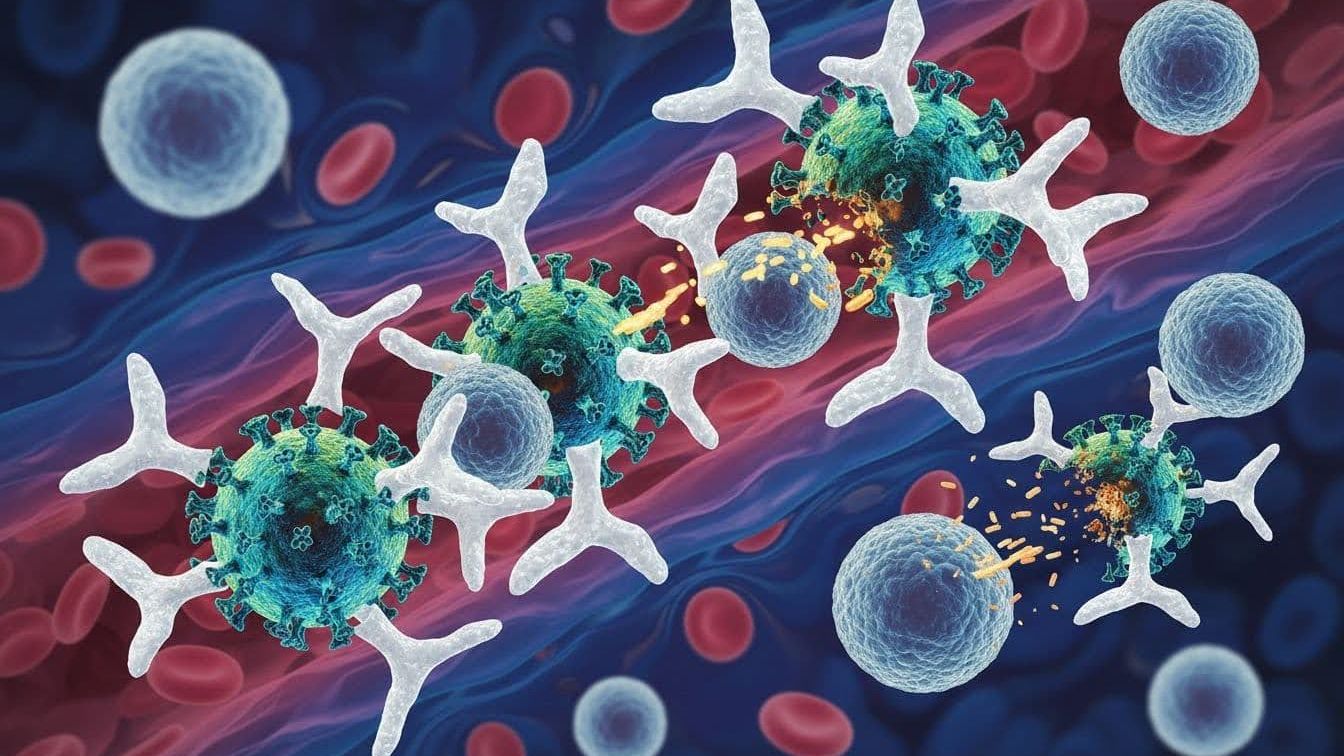
Your immune system is your body's defense team. It looks for germs, reacts to threats, and stores memory so it can respond faster next time. Vaccines use that natural process in a safer way than infection does.
Instead of making you fight the full disease, a vaccine introduces part of a germ, or instructions that help your body recognize it. Your immune cells study that signal and practice a response. Later, if the real germ appears, your body can act sooner.
This is why vaccines are part of preventive medicine. They prepare the body ahead of time. In many cases, that preparation lowers the risk of severe illness, hospital care, and complications, even if it doesn't block every infection. That still matters. A milder illness is not a small benefit when the alternative is pneumonia, long recovery, or worse.
Short-term reactions and long-term protection are also different things. A sore arm or a day of fatigue is part of the early immune response. Immune memory lasts much longer, and it is the reason vaccination helps later, when exposure happens in real life.
What Immune Memory Means In Real Life
Immune memory is your body's record-keeping system. After vaccination, certain immune cells remember what they saw. If that same virus or bacteria appears later, those cells can respond faster and more effectively.
A simple example helps. If your immune system meets a germ for the first time during a natural infection, it may take days to build a strong defense. During that delay, you can get sick. After vaccination, the system is not meeting a total stranger. It has notes on file.
That faster response can mean fewer symptoms, a shorter illness, or a lower chance of serious harm. Some vaccines also reduce spread, though that effect varies by vaccine and by how much the germ changes over time.
Why Mild Side Effects Can Happen After Vaccines
Mild side effects usually mean the immune system noticed the training signal. Common reactions include soreness, fatigue, headache, body aches, or a low fever. These effects often fade within a day or two.
Mild side effects after vaccines are often a sign that your immune system is doing its practice run.
Still, people vary. Some feel almost nothing. Others feel tired for a day. A stronger short-term reaction does not always mean better long-term protection, and a lack of side effects does not mean the vaccine failed.
The key is timing and severity. Mild, brief symptoms are common. Severe or unusual symptoms are not the same thing, and those deserve medical advice.
Common Questions About Vaccines and Immune Health
Many people want straight answers, not slogans. That's fair. Vaccine advice should be practical, honest, and shaped by the person's health picture.
Age matters. So do pregnancy, allergy history, immune conditions, travel plans, and past reactions. Because of that, two people may not get the same recommendation on the same day.
Do Vaccines Weaken the Immune System?
No. Vaccines activate the immune system in a targeted way. They do not "use up" immunity or drain the body's defenses.
Your immune system handles exposure all day long. It responds to food, dust, bacteria on the skin, viruses in the air, and tiny breaks in the body's barriers. A vaccine is a planned lesson, not a major burden.
Natural infection usually places a much heavier load on the body. A real infection can trigger high fever, inflammation, dehydration, breathing trouble, organ stress, or long-term effects. Vaccination lowers the chance that your immune system will have to fight that battle without preparation.
This point is easy to miss because people sometimes compare a sore arm after a vaccine to feeling fine before an infection. That is the wrong comparison. The real comparison is vaccination versus the disease the vaccine helps prevent.
Can Too Many Vaccines Overload the Body?
In general, no. The immune system is built to handle many signals at once. Every day, it sorts through far more exposures than the number of antigens in routine vaccines.
Even modern vaccine schedules expose the body to a small immune load compared with everyday life. Children and adults breathe in particles, touch surfaces, eat food, and encounter microbes constantly. Vaccines add a small, controlled signal to that already busy system.
That said, vaccine timing can still matter for some people. An adult getting ready for travel, a pregnant patient, a child with a past reaction, or someone on immunosuppressant medicine may need a more careful plan. That is not because the body is overloaded by default. It is because health history can affect which vaccine, what timing, and what follow-up makes the most sense.
Who May Need a More Personalized Vaccine Plan
Most people benefit from staying current with recommended vaccines. Some people, though, need extra planning with a clinician who can review risks, benefits, ingredients, timing, and past reactions.
That is especially true in allergy care, chronic disease care, cancer treatment, and immune-related conditions. For individualized support, Allergy and Immunology Consultations may help if you need a medical review of symptoms, history, or treatment questions. Dr. Deepa Grandon is a triple board-certified physician with more than 23 years of experience, which matters when decisions need a careful, whole-person review.
People With Allergies, Asthma, Or Past Vaccine Reactions
A common side effect is not the same as an allergic reaction. Soreness, mild fever, and fatigue are expected in many cases. Hives, wheezing, throat tightness, facial swelling, or a severe drop in blood pressure point to a different level of concern.
People with severe allergies or a history of reaction after a vaccine may need an ingredient review before the next dose. Sometimes the plan includes a longer observation period after vaccination. In other cases, a clinician may suggest allergy and immunology input first.
Asthma also deserves attention, especially if it is not well controlled. Respiratory illness can hit harder when asthma is active, so vaccine timing and disease control both matters.
People With Autoimmune Disease, Cancer Care, Or Weakened Immunity
A weakened immune system changes the planning, not the value of planning. Some people with immune compromise need extra doses because their immune response may be lower. Others may need to avoid certain live vaccines, depending on treatment and timing.
This group includes people receiving chemotherapy, people taking high-dose steroids or other immune-suppressing drugs, transplant patients, and some people with immune disorders. Those details matter, so vaccine decisions should be coordinated with the treating physician.
Autoimmune disease also adds complexity. A person may be stable on treatment, newly diagnosed, or in the middle of a flare. Timing a vaccine around treatment can sometimes improve safety or response. Guessing is not the best path here. A medical review is.
How To Support Immune Health Before and After Vaccination
Healthy habits do not replace vaccines when a vaccine is recommended. Still, your day-to-day health affects how you feel before and after any medical care, including vaccines.
Good sleep, hydration, regular meals, stress care, and follow-up for ongoing conditions all support the body. These steps are simple, but they are not trivial.

Simple Steps That Help Your Body Respond Well
Sleep is one of the most useful supports. If you are run down, stressed, or already sick, recovery can feel harder. Aim for a full night's rest before and after vaccination when possible.
Hydration helps too, especially if you tend to feel lightheaded with shots or fever. Balanced meals matter because your body needs energy and nutrients to recover from daily stress, illness, and immune activity.
If you live with diabetes, asthma, heart disease, or another chronic condition, keeping that condition well managed is part of vaccine support. The same is true for keeping follow-up visits and reviewing your medication list with your doctor.
None of these habits promise a stronger vaccine response. They simply support your health overall, which is the goal.
When To Call a Doctor After Vaccines
Most vaccine side effects are mild and short-lived. Some symptoms need medical attention, especially if they are severe, feel unusual, or last longer than expected.
Call a doctor right away, or seek urgent care, if you have:
- Trouble breathing
- Swelling of the face or throat
- High fever that does not improve
- Severe weakness
- Confusion
- Chest pain
- Symptoms that feel alarming or rapidly worsen
If something feels far outside the usual pattern, do not wait it out without guidance.
If you are unsure, it is reasonable to ask. A quick medical review with your physician can help sort out what is expected, what should be watched, and what needs urgent care.
Vaccines help train the immune system, and that training is a key part of preventive care. For most people, staying up to date is the safest path. For others, especially those with allergy history, chronic illness, immune weakness, pregnancy, or past reactions, a tailored plan makes more sense.
The goal is not fear or blind trust. The goal is informed care. When vaccine decisions match your health history and current needs, you are more likely to get the benefit with the right level of support.
Join the waitlist to be notified when telehealth services launch, start here!
Stay connected with news and updates!
Join our mailing list to receive the latest news and updates from our team.
Don't worry, your information will not be shared.
We hate SPAM. We will never sell your information, for any reason.